CAMPYBRO
Control of Campylobacter in broiler flocks through a two-step strategy: nutrition and vaccination. EU FP7-SME project.

Poultry CRO
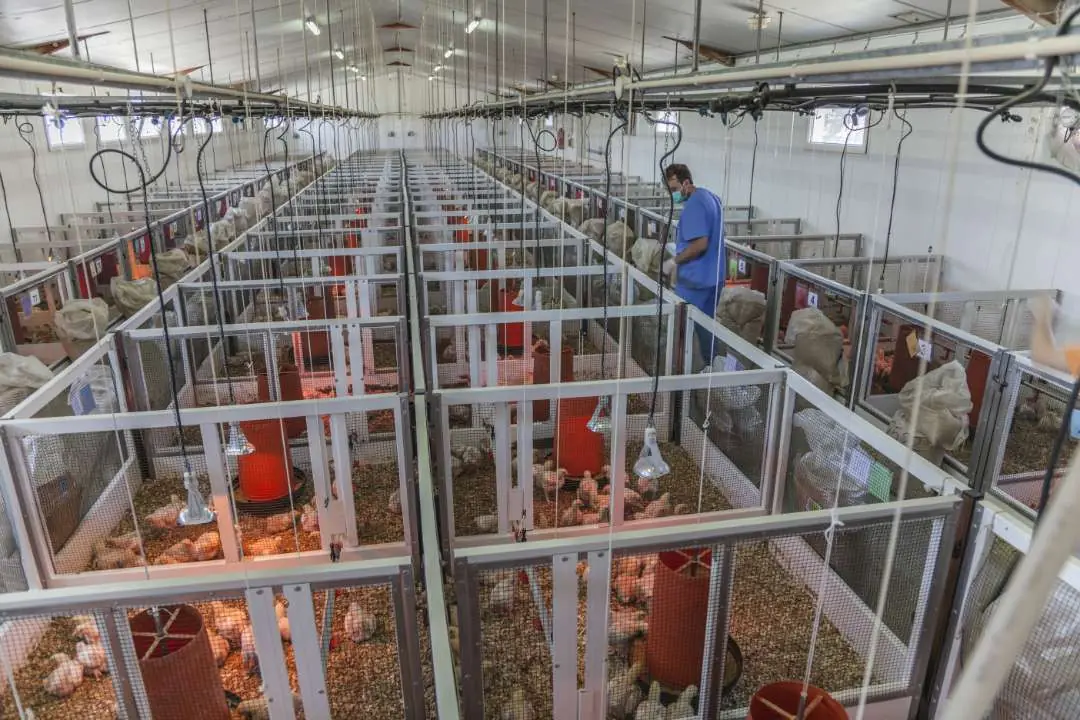
IMASDE is an independent contract research organization (CRO) for poultry nutrition and health. We design and run broiler trials and laying hen trials at our poultry research facility in Murcia, under Good Clinical Practice (GCP), and deliver statistically robust reports.
Feed, additive, animal health and poultry genetics companies from Spain and abroad trust us with poultry CRO studies that have to stand up to scrutiny: by regulators such as EFSA, by scientific journals and by their own customers.
Every poultry study follows a written protocol, randomised allocation of treatments and a statistical analysis plan agreed before the chicks arrive. The same team designs the study, runs the animal phase and analyses the data.
Request a poultry study proposal
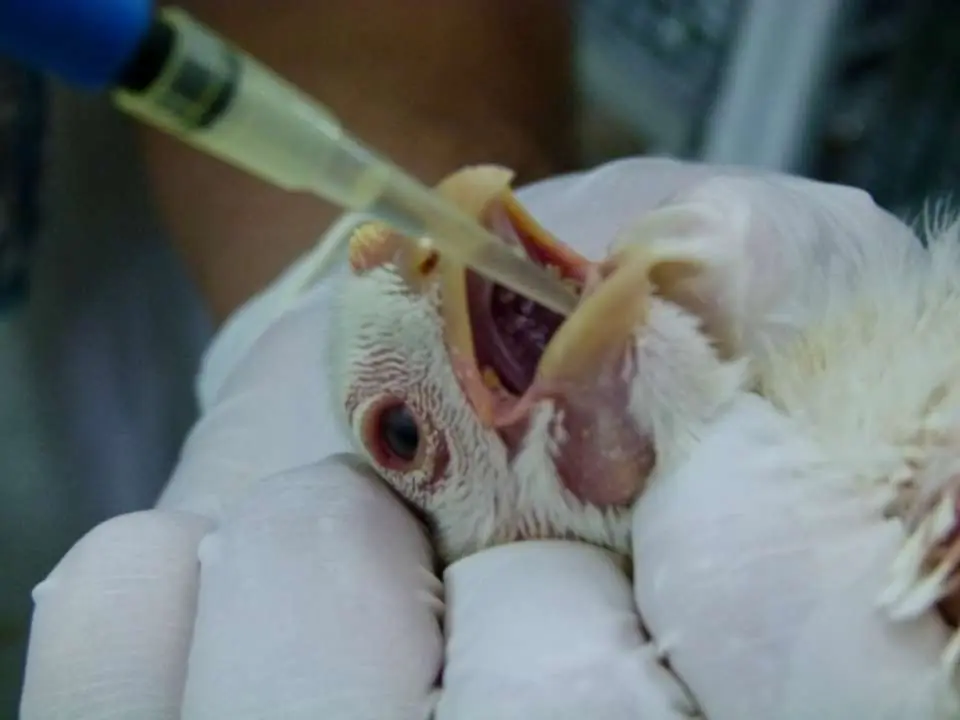
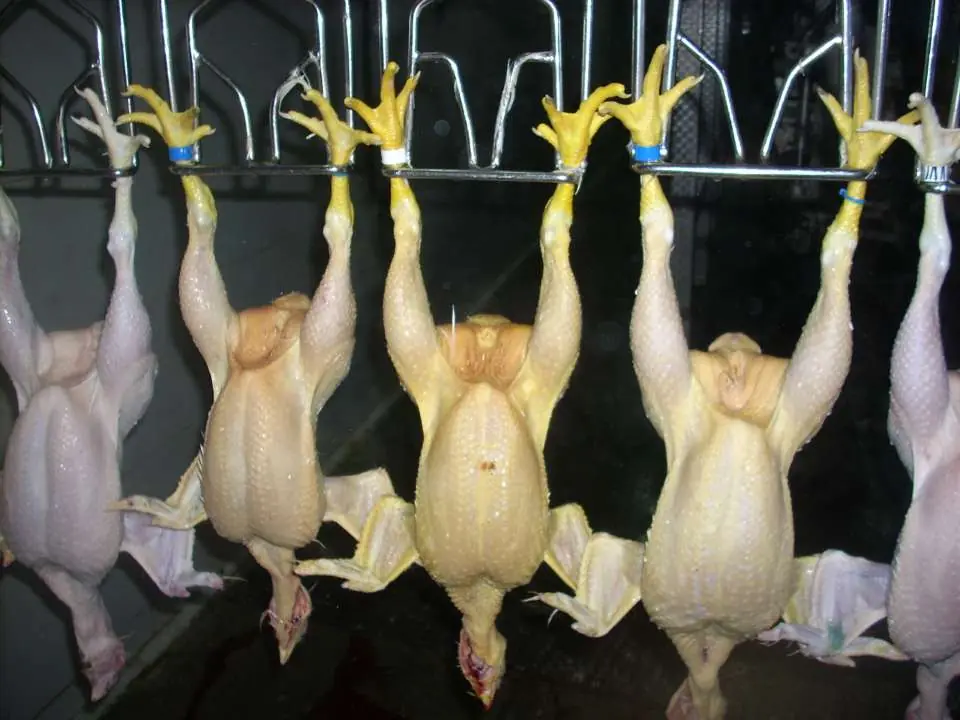
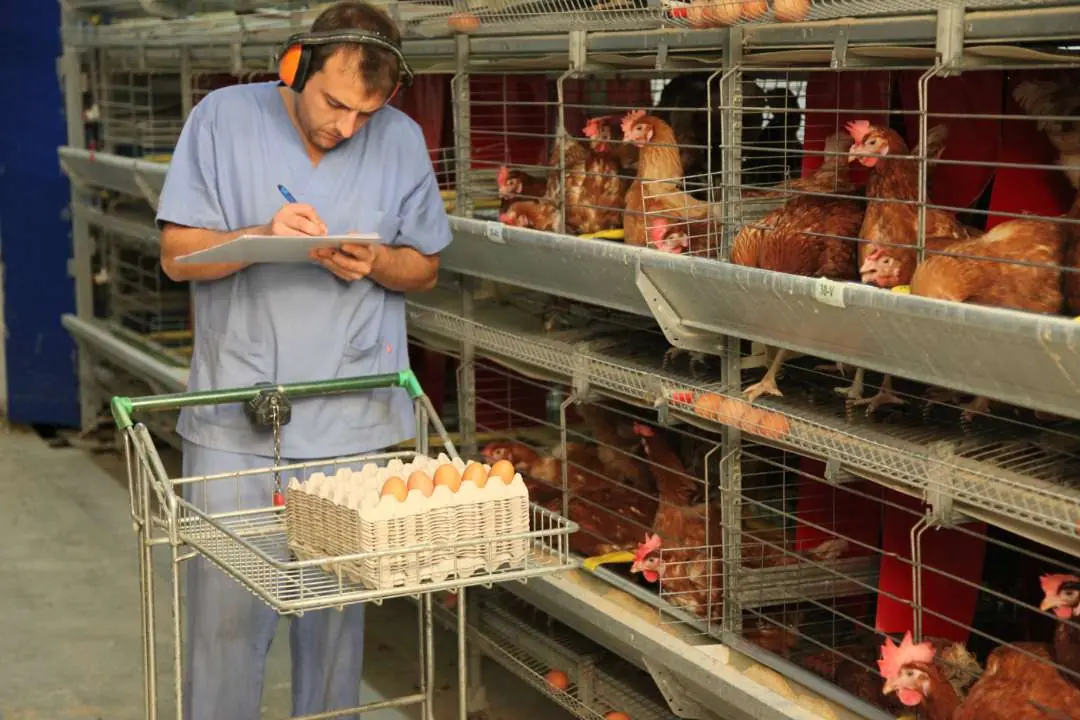
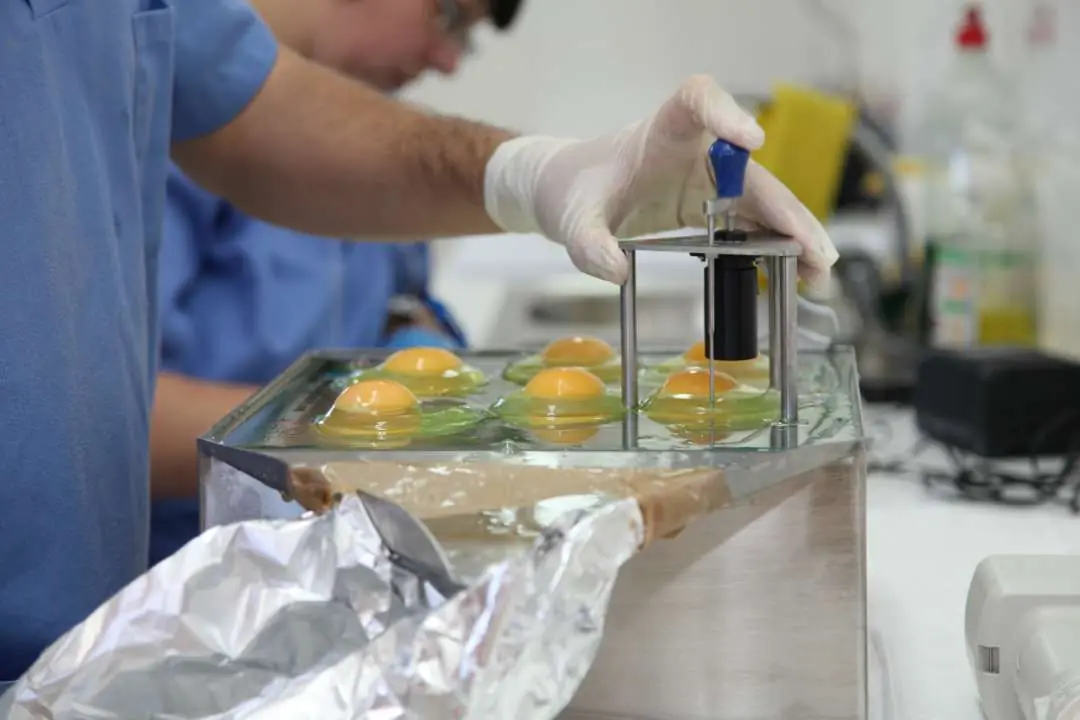
Endpoints are chosen with you for each claim and recorded under Good Clinical Practice.
From the claim you need to prove to a report ready for registration or publication.
We agree with you what the study must prove, the target animals and the comparison: negative control, positive control or dose-response.
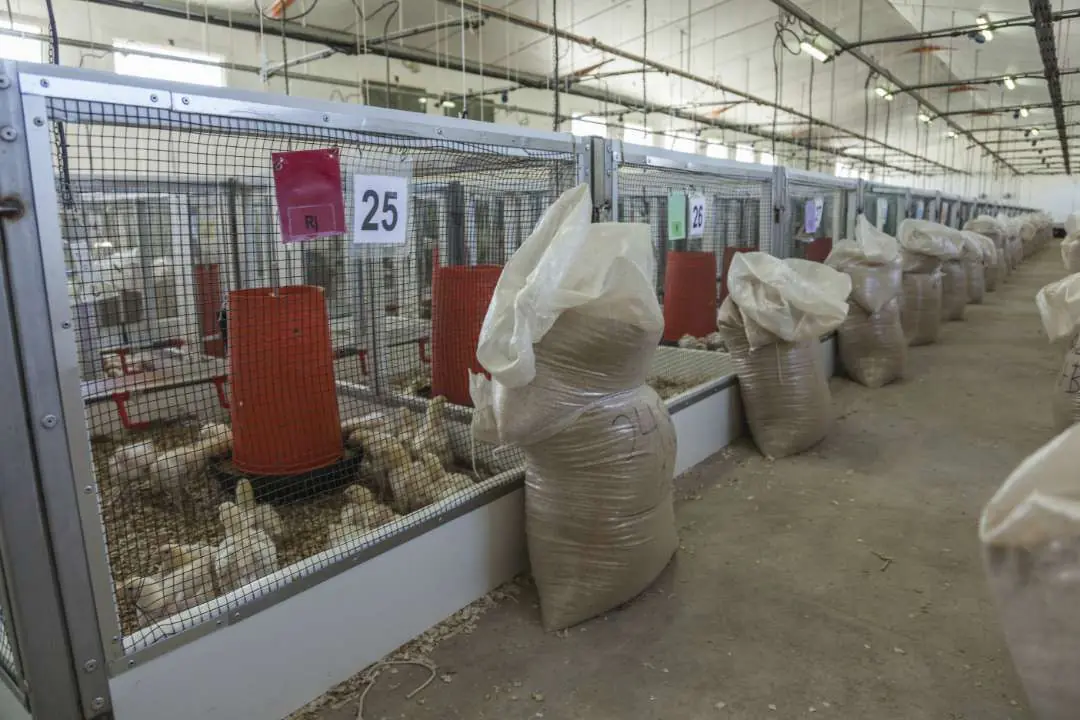
We define the experimental unit (usually the pen or the cage), the number of replicates needed to detect the expected difference, randomisation and the statistical analysis plan.
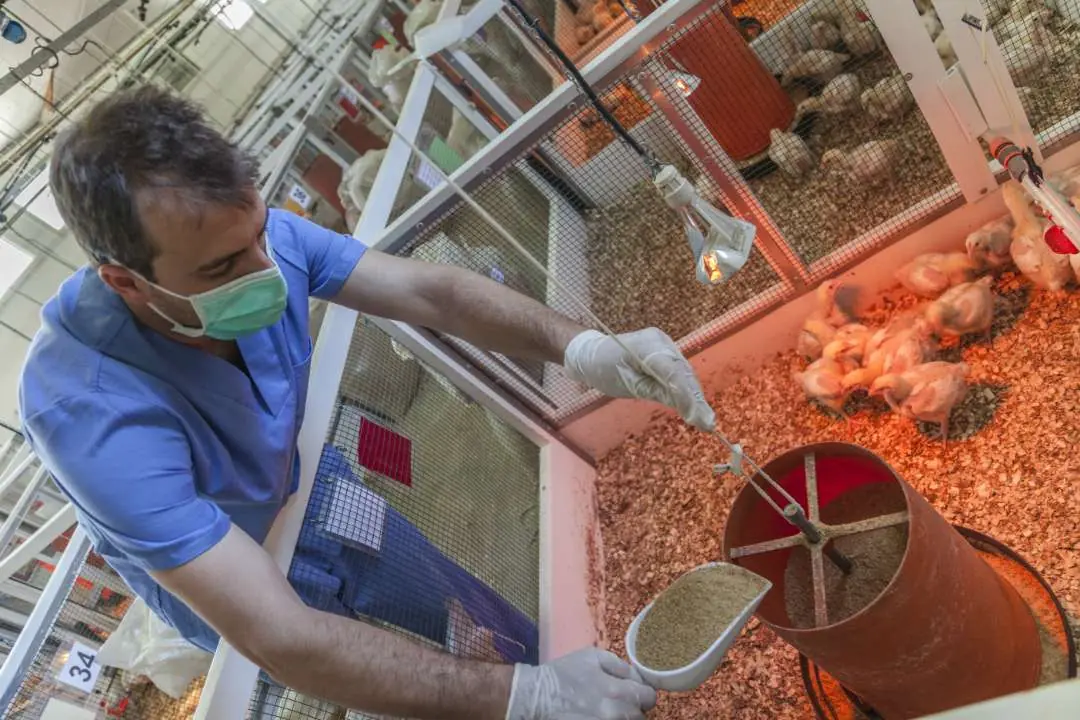
Our technicians run the study at our research centre or on commercial farms, with traceable records of feed, animals and health events.
Our in-house biostatistics team analyses the data with models adapted to the design, such as linear mixed models.
A complete study report with methods, results and conclusions, ready for EFSA dossiers, technical articles or your sales team.
Our broiler and laying hen trials run at our poultry research facility on the Campus de Espinardo in Murcia, in south-east Spain, with dedicated units for both, biosafety level 2 rooms and an egg quality laboratory.
Hospital Clínico Veterinario, Ed. 16 · Campus de Espinardo, s/n · 30100 Murcia, Spain · See all our locations
We also research for ourselves: projects funded by national and European calls that keep our team at the forefront.
Control of Campylobacter in broiler flocks through a two-step strategy: nutrition and vaccination. EU FP7-SME project.
Role of Alphitobius diaperinus as a Campylobacter vector in poultry farms and how to prevent ingestion.
Control and management system for poultry farms based on a digital twin.
A contract research organization (CRO) that designs and runs studies in broilers, laying hens or other birds on behalf of other companies, usually feed, additive, animal health and poultry genetics companies. IMASDE is an independent poultry CRO in Spain: we design the protocol, run the animal phase, analyse the data and write the final report.
Broiler and laying hen studies: feed additive efficacy, metabolisable energy and digestibility, gut health and microbiota, challenge models, vaccine and probiotic efficacy, target animal safety, drug withdrawal and welfare studies, with performance, carcass and egg quality endpoints.
Yes. Our biosafety level 2 rooms allow controlled challenge models with Eimeria (coccidiosis), Clostridium perfringens (necrotic enteritis), Salmonella or Campylobacter, with the approval of the animal ethics committee and the authorisation of the competent authority.
Yes. Many of our poultry studies are designed for feed additive registration in the European Union, following EFSA's FEEDAP guidance, which for most zootechnical additives asks for at least three in vivo efficacy studies per target category showing a significant effect. They can also support approval by the US FDA.
Yes. We determine the apparent metabolisable energy (AME) and the nutrient digestibility of feeds, raw materials and additives such as enzymes in broilers and laying hens, with a written protocol and a statistical analysis plan.
What matters is the number of experimental units (replicates), usually pens, rather than the total number of birds. The right number comes from a power calculation based on the expected difference and its variability, which we do with you before the study starts.
Yes. We run laying hen studies on laying performance and persistency, calcium and phosphorus nutrition, welfare and additive efficacy, and measure egg quality in our own laboratory: Haugh units, shell strength and thickness, and yolk colour.
A broiler performance study usually covers the whole production cycle, from day-old chicks to slaughter age, around five to six weeks. Laying hen studies are longer. We include a detailed timeline with the protocol.
Also: Swine CRO studies · Statistical analysis · All animal trials
Tell us the product, the claim and the timeline. We will send you a protocol and a quote.